
Attic Animal and Wildlife Removal in Michigan
Get help with bats, squirrels, raccoons, mice or birds in the attic or walls. Call, or tell us what you are hearing.
Calls go by ZIP to an independent wildlife control operator where one covers the address; where none does, they come to Local Core Group, which runs this site.
A bat inside the living space that may have touched someone is a health question first: see what to do about a bat in the house.
From the noise overhead to the source
- Describe the signsWhen you hear it, where it is loudest, and what you have seen outside. The time of day alone narrows the animal down.
- Identify the animal and the way inAn inspection finds the entry points along the roofline, vents and chimney, and checks for young in breeding season.
- Agree the removal planPrice and timing are settled with the operator. Bats wait for the end of the maternity season; squirrels and raccoons may need a check for a litter.
- Close the way in, where offeredOpenings sealed with durable material, vents screened, the chimney capped, then cleanup if droppings or insulation need it.
Not every job needs every step. Ask on the call what the quote covers.
Animals we help with
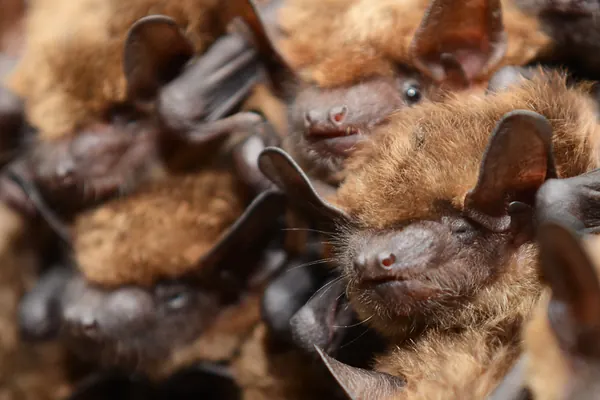
Bats
Many bats are federally protected, and the work is exclusion, timed around the summer maternity season.
Bat Removal and Exclusion →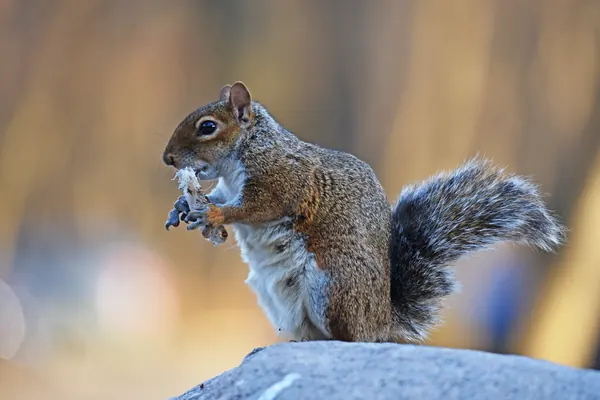
Squirrels
Scratching and running overhead. Fox squirrels usually have two litters a year, so check for young before the opening is sealed.
Squirrel Removal →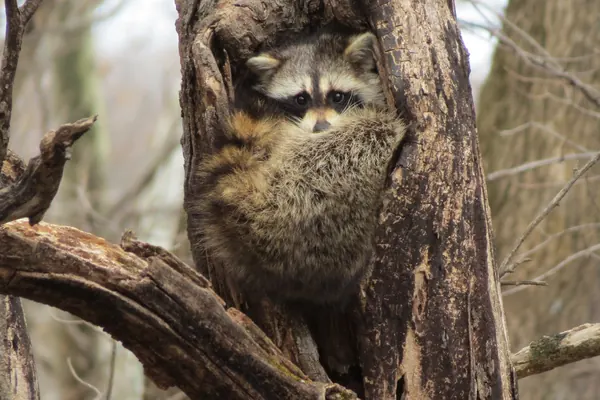
Raccoons
Usually one litter a year, an entry to close, and droppings that need careful cleanup.
Raccoon Removal →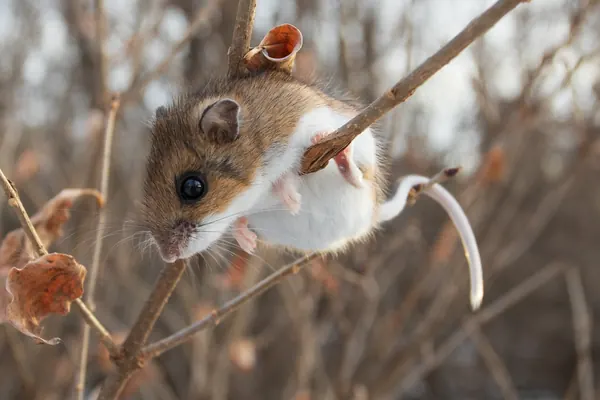
Mice & rats
Scratching in the walls or ceiling, and droppings. The gaps get sealed, and the droppings need a wet cleanup.
Mouse and Rat Removal →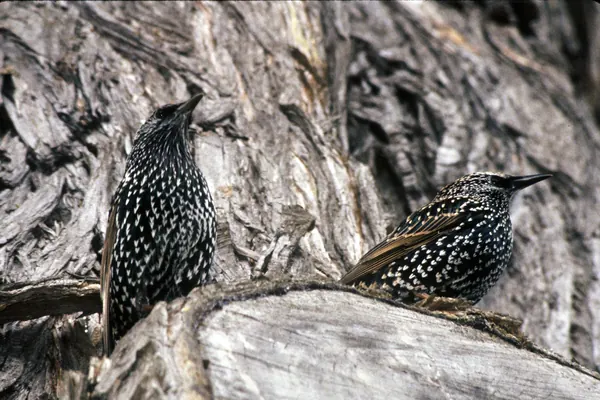
Birds
Starlings and sparrows in vents and soffits. Which birds are protected decides what can be done.
Bird Removal from Vents and Attics →Bat in the House
Do not let it go yet. Confine it if you safely can and ask your local health department whether it should be tested.
What to do →Animals in the Walls
Scratching behind drywall from an animal that got in somewhere else. Dealt with where it enters.
What to do →Animal photographs: U.S. Fish and Wildlife Service, public domain.
Getting the animal out is half the job
Removal
Deals with the animals already inside. For squirrels and raccoons, ask how the operator will get the animal out and how they will make sure no young are left behind before the opening is closed. Bats leave through one-way doors, timed outside the summer maternity season.
Exclusion
Closes the openings so the next animal cannot move in. The National Park Service's rodent-proofing manual covers larger holes with galvanized sheet metal, screens vent pipes with quarter-inch mesh and caps chimneys. Without this step, the opening that let the animal in is still there.
How exclusion and one-way doors work. Cleanup and insulation after animals, under the CDC's guidance for droppings.
Where animals get into Michigan homes
The Forest Service's bat survey looks under eaves for droppings, the National Park Service says to remove limbs that overhang the roof or come within six feet of it, and chimneys and vent pipes need caps and screens. The CDC suggests watching where bats leave at dusk to find the openings they use.
- Chimney. The National Park Service says a chimney should be capped when not in use or fitted with a rodent-proof cover.
- Roof and ridge vents. Vents need intact screens; the National Park Service calls for quarter-inch mesh on vent pipes.
- Gable vent. A torn or missing screen on a gable vent is an open door to the attic.
- Eaves and soffits. The Forest Service looks under eaves for droppings where bats may rest at night.
- Where roof meets wall. Check the joint along its whole length, not only the corners.
- Overhanging limbs. The National Park Service says to remove limbs that overhang the roof or come within six feet of it.
Bats fit through gaps as small as a quarter inch, according to the CDC. Drawing for illustration; not to scale.
Michigan coverage
Call 616-512-2425 from anywhere in the state. Your ZIP code decides where the call goes: it routes to an independent wildlife control operator where one covers your address, and that operator prices and does the work. Where none does, the call comes to Local Core Group, which runs Michigan Attic Animal Removal, a referral service that does no removal work itself.
Asking which state permits cover the work is a fair first question. For Michigan's rules, see the DNR's page on wildlife damage and nuisance control permits.
City pages
Each city page gives the local health department's contacts for a bat found in the home, its published steps where this site has read them, and who will or will not remove wildlife there.

Guides for Michigan homeowners
Animals in the Attic: What the Noises Tell You
Scratching, thumping or chirping overhead: the checks that tell squirrels, raccoons, mice, bats and birds apart in a Michigan attic, and what to do next.
Read the guide →Bats in Michigan: Species, Protection and Exclusion Timing
The nine bat species of the Great Lakes region and which are federally listed, the summer maternity season, and Michigan rabid-bat counts, with sources.
Read the guide →Attic Animal Removal Cost in Michigan: What Sets the Price
Why one attic job costs more than another: the animal, the entry points, roof access, bat timing, cleanup and insulation. Plus what a quote should list.
Read the guide →Hearing something overhead?
Say when you hear it and which part of the house it comes from. That is enough to start working out which animal it is and where it gets in.
Questions Michigan homeowners ask
What happens after I call or send a request?
Michigan Attic Animal Removal is a referral service. Your call or request routes by ZIP to an independent wildlife control operator where one covers your address, and that operator gives the price and does the work. Where none does, it comes to Local Core Group, which runs this site. Ask the operator which state permits cover the work.
Can attic animal work happen any time of year in Michigan?
It depends on the animal. For bats, USFWS says exclusions should never happen during the maternity season, typically May 15 to August 15, and that bats found hibernating in winter should be left alone until spring. For other animals, an opening is sealed once the animals using it, young included, are out. The bat removal page covers the timing.
More on the questions and answers page.
Call about an animal in your attic
Describe what you are hearing and what you have seen outside. The call goes to an independent wildlife control operator where one covers your ZIP, and that operator sets price and timing; where none does, it comes to Local Core Group, which runs this site.